
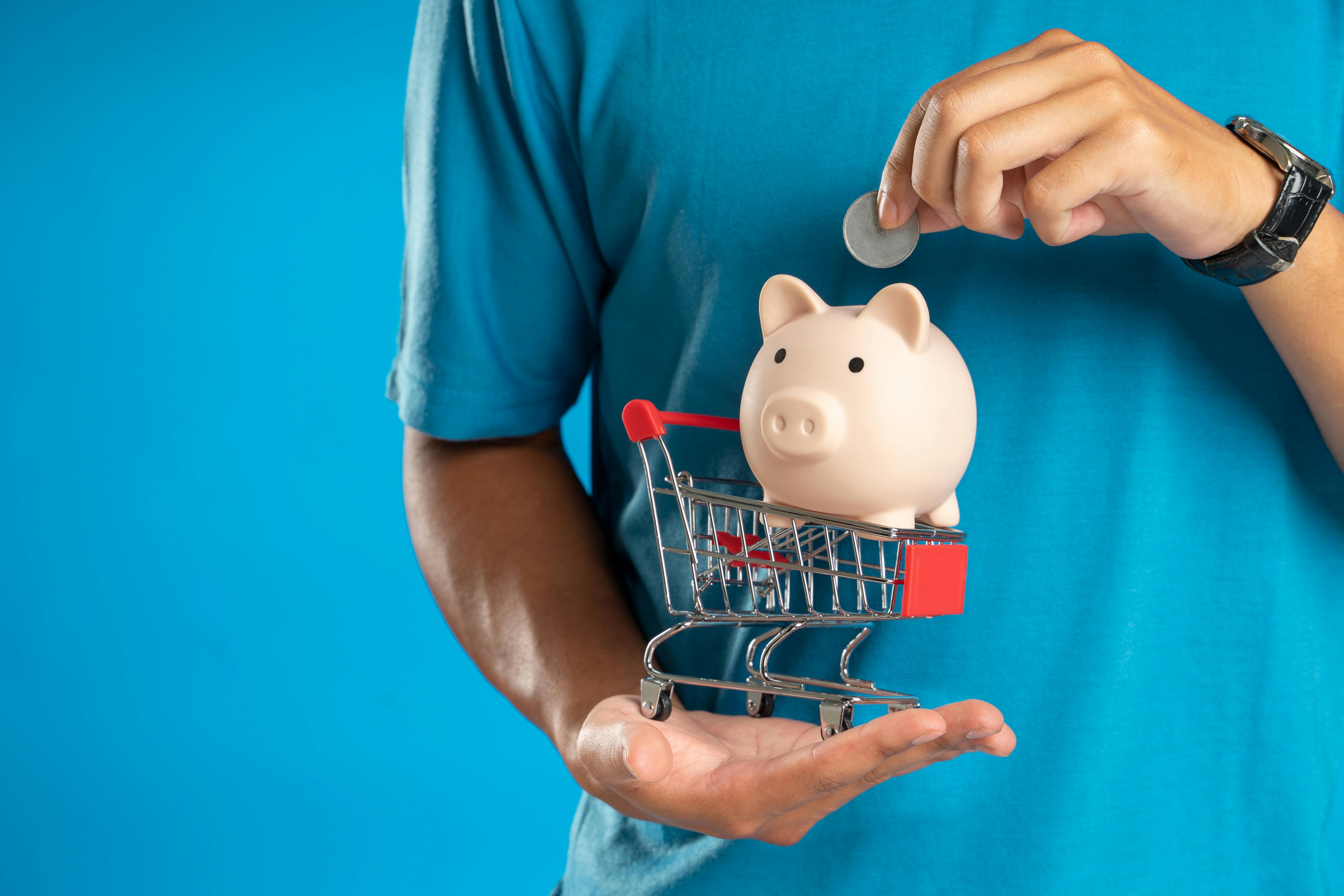
In 2026, navigating the grocery aisles smarter is no longer an option – it's a necessity. Discover groundbreaking strategies, cutting-edge AI-powered apps, and essential smart shopping techniques to drastically reduce your food budget, compare the best discount services, and maximize your household's financial health amidst rising costs. This ultimate guide will equip you with the tools to save thousands, making every shopping trip a strategic victory.
Introduction to the Topic
Welcome to 2026, where the cost of living continues its relentless climb, and grocery bills often feel like the heaviest burden on household budgets. The days of aimless shopping and impulse buys are long gone for the financially savvy consumer. Today, achieving significant grocery savings requires a strategic, informed, and often technologically-assisted approach. At goodamericanmarket.com, we understand that every dollar saved on staples means more for experiences, investments, or simply peace of mind. This comprehensive guide isn't just about finding a cheaper brand of pasta; it's about revolutionizing your entire food procurement process, transforming you into a lean, mean, grocery-saving machine. We'll delve into the latest trends, expert insights, and the most effective tools available in 2026 to help you reclaim control over your food budget and unlock substantial savings – potentially up to 40% of your current spending!
The economic landscape of 2026, shaped by global supply chain optimizations and fluctuating energy costs, means that food prices, while stabilizing in some sectors, remain a significant concern for families. This article is your definitive roadmap to navigating these challenges, empowering you with actionable strategies to not just survive, but thrive, by making smarter, more informed purchasing decisions. From leveraging AI to optimizing your meal plans, we're covering it all.
Backgrounds & Facts
The average American household's expenditure on groceries has seen a persistent upward trend over the past decade, with 2026 figures indicating an average family of four now spends upwards of $1,200 per month on food, a significant portion of disposable income. This escalation isn't solely due to inflation; it's also influenced by consumer habits, food waste, and the increasing demand for convenience and specialty items.
A recent study by the National Consumer Finance Institute (NCFI) revealed that nearly 60% of consumers feel overwhelmed by rising grocery costs, leading 35% to actively seek out new saving strategies. Furthermore, an estimated 20-30% of all food purchased in the U.S. is wasted annually, representing billions of dollars literally thrown into the bin. This staggering statistic highlights a massive opportunity for savings through better meal planning, storage, and utilization of ingredients.
Technological advancements are rapidly changing the grocery landscape. In 2026, AI-driven personalized offers, dynamic pricing algorithms, and sophisticated inventory management systems are becoming standard. Consumers who embrace these technologies are finding themselves at a distinct advantage. Early adopters of grocery saving apps and subscription services report an average reduction of 15-20% in their monthly food bills, proving that the digital age offers powerful tools for the savvy shopper. The shift towards online grocery shopping, accelerated in recent years, also presents unique opportunities for price comparison and bulk purchasing that weren't as accessible in the past.
Expert Opinion / Analysis
"The biggest mistake consumers make in 2026 is underestimating the power of preparation and technology," states Dr. Eleanor Vance, a leading economist specializing in consumer behavior. "Meal planning, once seen as a chore, is now a sophisticated exercise in demand forecasting for your own household. Couple that with AI-powered shopping list apps, and you're no longer just saving money; you're optimizing nutrition and minimizing waste."
Experts universally agree that a multi-pronged approach yields the best results. Here are the core pillars of effective grocery savings in 2026:
- Strategic Meal Planning: Plan meals for the entire week, focusing on ingredients that can be repurposed or bought in bulk. This reduces impulse buys and ensures everything purchased is utilized.
- Mastering Unit Pricing: Always compare prices by unit (e.g., per ounce, per pound) rather than just the sticker price. Larger packages aren't always cheaper, and smaller, concentrated versions can sometimes offer better value.
- Leveraging Loyalty Programs & Digital Coupons: Store loyalty programs offer personalized discounts based on your purchasing history. In 2026, these are often integrated with apps that automatically apply coupons at checkout.
- Bulk Buying Smartly: Only buy in bulk for non-perishable items or frequently used perishables that can be frozen. Ensure you have adequate storage space and will consume the items before they expire.
- Reducing Food Waste: Implement a "first-in, first-out" system for your pantry and fridge. Learn proper food storage techniques. Consider composting or using food scraps for broths.
- Embracing "Ugly" Produce: Don't judge a fruit by its cover! Imperfect-looking produce is often perfectly delicious and significantly cheaper, especially through specialized delivery services.
- Price Comparison Apps: Utilize apps that scan local store flyers and online prices to find the best deals on your specific grocery list.
"The future of grocery savings is in data-driven decisions," adds financial planner Marcus Chen. "Consumers who actively track their spending, analyze their habits, and use the readily available tools to find the best deals are the ones who will see their food budgets shrink significantly, freeing up capital for other financial goals. It's about being proactive, not reactive."
💰 Best Options in Comparison (VERY IMPORTANT)
In 2026, the market is saturated with tools and services designed to help you save on groceries. Choosing the right ones can be daunting, so we’ve compiled a comparison of the top contenders that offer significant value and integrate seamlessly into your smart shopping routine.
- SmartCart AI: An AI-powered shopping list app that learns your preferences, suggests meal plans based on sales, and optimizes your list for the cheapest local stores. It even tracks your pantry inventory.
- PricePulse 2026: A dynamic pricing tracker that scans real-time prices across major retailers, alerting you to price drops and predicting future sales. Ideal for stocking up.
- ImperfectHarvest: A subscription service delivering "ugly" or surplus produce and pantry staples directly to your door at a steep discount (up to 40% off retail). Focuses on reducing food waste.
- PantryPal Bulk: A membership service specializing in bulk delivery of non-perishable pantry items, cleaning supplies, and some frozen goods. Offers substantial savings for larger households or those with ample storage.
- GroceryRewards+: A cashback and digital coupon aggregation app that automatically finds and applies coupons, and offers cashback on purchases at participating stores. Syncs with loyalty programs.
Here's a detailed comparison to help you choose the best fit for your grocery savings strategy:
| Service/Strategy | Savings Potential | Ease of Use | Subscription Cost (2026) | Key Features | Best For |
|---|---|---|---|---|---|
| SmartCart AI | 20-30% | High | $5.99/month or $59/year | AI meal planning, personalized deals, pantry tracking, multi-store price comparison. | Families, busy individuals, anyone wanting automated savings. |
| PricePulse 2026 | 10-25% | Medium | $3.99/month or $39/year | Real-time price alerts, historical price data, sales predictions, customizable watchlists. | Savvy shoppers, bulk buyers, deal hunters. |
| ImperfectHarvest | 25-40% | High | Box price varies ($25-$50), no membership fee | "Ugly" produce delivery, surplus pantry items, focuses on food waste reduction. | Eco-conscious consumers, those open to variety, budget-focused individuals. |
| PantryPal Bulk | 15-35% | Medium | $99/year | Bulk delivery of non-perishables, exclusive member discounts, curated selections. | Large families, households with storage, long-term planners. |
| GroceryRewards+ | 5-15% (plus coupons) | High | Free (premium features: $2.99/month) | Cashback on purchases, automatic coupon application, loyalty program integration. | Everyone, especially those who frequently shop at multiple stores. |
Outlook & Trends
Looking ahead, the landscape of grocery savings is poised for even more innovation. By 2028, we anticipate even more sophisticated AI integration, with personal shopping assistants capable of predicting your household's needs and purchasing items automatically when prices are lowest, factoring in expiration dates and consumption patterns. Blockchain technology is also gaining traction, offering unprecedented transparency in supply chains, which could lead to more stable and predictable pricing, empowering consumers to make more informed choices about ethical sourcing and value.
The rise of hyper-personalization will mean that deals and promotions become incredibly tailored, reducing the noise of irrelevant offers. Community-based food sharing platforms, already growing in popularity, are expected to expand, allowing neighbors to trade surplus garden produce or bulk purchases, further reducing waste and fostering local economies. Furthermore, as vertical farming and localized food production gain scale, we may see a reduction in transportation costs for fresh produce, potentially lowering prices for consumers directly. The focus will increasingly shift from simply finding discounts to optimizing the entire food ecosystem for both financial and environmental sustainability.
Conclusion
In 2026, taking control of your grocery budget is not just a smart financial move; it's an empowering act that contributes to your overall well-being and financial freedom. By embracing strategic planning, leveraging cutting-edge technology like AI-powered apps, and adopting mindful consumption habits, you have the power to drastically reduce your food expenses – potentially by 40% or more. The tools and strategies outlined in this guide are not futuristic pipe dreams; they are readily available and proven methods for maximizing your savings.
Remember, every dollar saved is a dollar earned. Start by implementing one or two of these strategies today, experiment with the recommended apps and services, and watch your grocery bill shrink. The path to a healthier financial future for your household begins with smarter choices in the grocery aisle. Don't just shop; strategize, save, and thrive with goodamericanmarket.com leading the way to your grocery goldmine!