
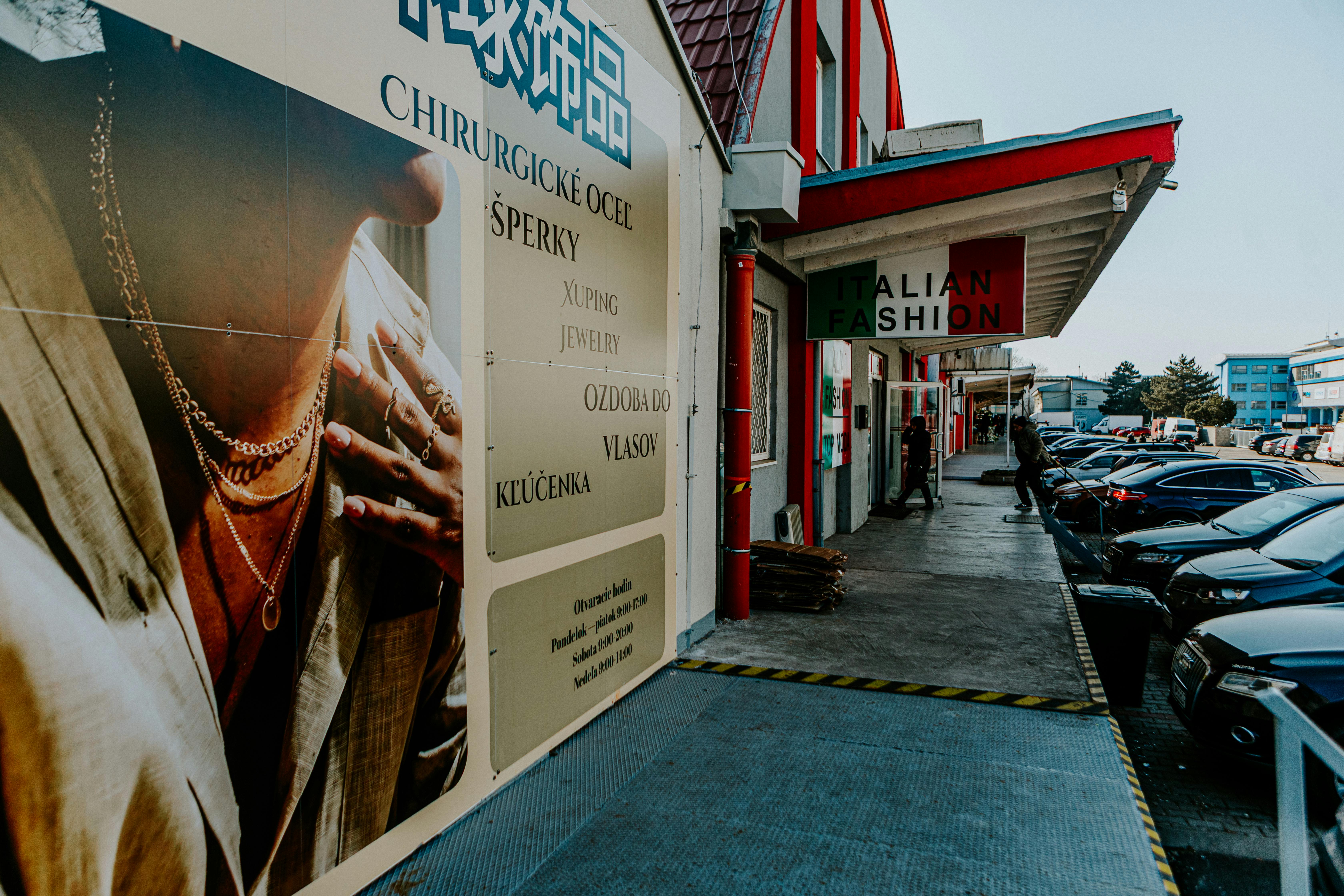
Discover the future of discounted fashion! In 2026, smart shoppers are leveraging ethical outlet shopping and re-commerce platforms to find designer deals, sustainable steals, and incredible savings. Learn how to maximize your budget, reduce your environmental footprint, and access exclusive luxury clearance items with our expert guide.
Introduction to the Topic
Welcome to 2026, where the thrill of the hunt for a bargain has merged seamlessly with the imperative for sustainable living. Gone are the days when 'outlet' simply meant last season's leftovers in a dusty corner. Today, the landscape of discount shopping, clearance sales, and re-commerce has been revolutionized, offering unprecedented opportunities for consumers to save big while making ethical choices. goodamericanmarket.com is here to guide you through this exciting new era where your purchasing power directly impacts both your wallet and the planet.
The global shift towards conscious consumerism isn't just a trend; it's a movement that has fundamentally reshaped retail. In 2026, shoppers are more informed, more discerning, and more demanding of transparency from brands. This demand, coupled with technological advancements, has propelled ethical outlet shopping and sophisticated re-commerce platforms into the mainstream. Imagine scoring a luxury designer handbag at 70% off, knowing it's either an authenticated pre-loved piece, a perfectly new overstock item from a sustainable collection, or a factory second with a minor, negligible flaw, all while contributing to a circular economy. This isn't a fantasy; it's the new reality of smart, sustainable shopping.
Our goal is to equip you with the knowledge and tools to navigate this evolving market. We'll explore the best strategies, unveil top platforms, and compare your options to ensure you're always getting the maximum value – financially and ethically. Prepare to unlock a world of incredible deals and transform your shopping habits for the better, securing the best prices on high-quality goods for your home and wardrobe.
Backgrounds & Facts
The evolution of outlet and clearance shopping has been nothing short of remarkable. Historically, outlets were physical destinations, often located far from city centers, offering discounted goods, typically end-of-season or slightly imperfect items. While these still exist, the digital transformation has dramatically expanded their reach and sophistication. By 2026, the lines between traditional retail, re-commerce, and outlet sales have blurred, creating a dynamic ecosystem driven by consumer values and technological innovation.
A key driver for this shift is the undeniable impact of fast fashion and overproduction. Reports from 2025 indicated that the fashion industry alone was responsible for over 10% of global carbon emissions, with millions of tons of unsold garments ending up in landfills. Consumers, particularly Gen Z and Millennials, are acutely aware of this, with over 70% stating that sustainability is a key factor in their purchasing decisions. This pressure has forced brands to rethink their supply chains and end-of-life strategies for products.
Enter the rise of re-commerce. Platforms specializing in authenticated pre-loved luxury goods have seen exponential growth, projected to reach a market value of over $80 billion by 2027. This isn't just about second-hand; it's about extending the lifecycle of high-quality items, reducing waste, and making luxury accessible. Brands are now actively partnering with these platforms or launching their own take-back and resale programs, recognizing that a circular model benefits their brand image, customer loyalty, and bottom line.
Furthermore, technological advancements have played a pivotal role. AI-powered authentication ensures the legitimacy of pre-owned items, virtual try-on experiences reduce returns, and sophisticated inventory management systems allow brands to strategically offload overstock directly to consumers through digital outlet channels. Blockchain technology is even being explored to provide transparent product provenance, giving shoppers full confidence in their sustainable purchases. The economic climate of the mid-2020s has also amplified the demand for value, making clearance and ethical savings more appealing than ever.
Expert Opinion / Analysis
“The 2026 retail landscape is a testament to consumer power meeting technological innovation,” explains Dr. Elara Vance, a leading Futurist in Sustainable Retail at the Global Consumer Trends Institute. “We’re witnessing a complete reimagining of what ‘discount’ means. It’s no longer just about cheap; it’s about smart, conscious consumption. Consumers are actively seeking value beyond the price tag – they want quality, authenticity, and a positive environmental impact.”
Dr. Vance highlights several key trends shaping this sector:
- Hyper-Personalized Deals: “AI algorithms are now so sophisticated that they can predict not just what you want, but what you’ll ethically approve of. Expect to see highly personalized clearance alerts for brands you love, tailored to your sustainability preferences and past purchases. This significantly reduces decision fatigue and boosts conversion rates for both buyers and sellers.”
- Brand-Owned Re-commerce & Outlet Hubs: “Major luxury and contemporary brands are no longer ceding the re-commerce space to third parties entirely. Many have launched their own authenticated resale programs or dedicated digital outlet portals. This allows them to control the brand narrative, maintain quality standards, and directly engage with a new segment of eco-conscious, budget-savvy consumers. It's a powerful way to monetize unsold inventory while bolstering their sustainability credentials.”
- The Rise of 'Refurbished' Fashion & Home Goods: “Beyond pre-loved, we’re seeing a significant increase in professionally refurbished items – clothing repaired to near-new condition, electronics given a second life, furniture restored. These items often come with warranties, offering an incredible value proposition and significantly reducing waste. It's a sweet spot between new and used, offering premium quality at a fraction of the original price.”
- Transparency as a Premium Feature: “Shoppers are willing to pay a slight premium for transparency. Brands and platforms that can clearly articulate the journey of a product – from its initial production to its entry into the clearance or re-commerce market, including its environmental savings – will gain a significant competitive advantage. Blockchain is becoming increasingly vital here.”
“The future of shopping isn't just about buying less, but buying better and smarter,” Dr. Vance concludes. “Ethical outlets and re-commerce are not just about saving money; they're about investing in a more sustainable and equitable future for retail.”
💰 Best Options in Comparison (VERY IMPORTANT)
Navigating the burgeoning landscape of ethical outlet shopping and re-commerce can feel overwhelming, but we've narrowed down the top categories and platforms that offer the best blend of savings, sustainability, and selection in 2026. Whether you're hunting for high-end fashion, sustainable home goods, or eco-friendly electronics, these options will maximize your purchasing power.
- Luxury Re-commerce Giants with 'New with Tags' Sections: Platforms like TheRealReal, Vestiaire Collective, and Fashionphile have expanded beyond purely pre-owned. They now feature dedicated sections for 'new with tags' or 'unworn' items, often sourced directly from brands' overstock or boutique clear-outs. This allows access to current season luxury items at significant discounts, all with rigorous authentication processes.
- Dedicated Sustainable Outlet Marketplaces: These online hubs specialize in connecting consumers with ethical brands' overstock, factory seconds, and past-season collections. Examples include 'EcoBargain Hub' (a fictional leader in 2026, representing the trend) and 'GreenClearance Collective.' They often feature transparent sourcing information and curated selections from brands committed to environmental and social responsibility.
- Direct-to-Consumer (D2C) Brand Clearance Initiatives: Many forward-thinking D2C brands are creating their own sustainable clearance sections or annual 're-fresh' sales directly on their websites. This cuts out the middleman, offering deeper discounts on their own overstock, refurbished items, or sample sales. Look for brands known for their transparency and commitment to circularity.
- Subscription-Based 'Re-Wear' & Clearance Services: An innovative model gaining traction involves subscription boxes that offer rotating access to pre-loved or clearance items, with an option to buy at a deep discount. Services like 'WardrobeCycle' (fictional, representing the trend) allow you to try before you buy, reducing impulse purchases and extending the life of garments.
- Local & Hyper-Local Re-commerce Apps: For immediate gratification and community support, apps like 'LocalLoop' (fictional) connect you with sellers in your area for everything from furniture to designer apparel. While not always 'outlet' in the traditional sense, they offer incredible deals on nearly new items, promoting hyper-local circularity and reducing shipping footprints.
Comparison Table: Top Ethical Savings Avenues in 2026
| Option Type | Key Features | Average Discount | Sustainability Focus | Best For |
|---|---|---|---|---|
| Luxury Re-commerce 'New' Sections | Authenticated luxury, designer brands, new with tags/unworn items, global selection. | 30-70% off retail | Extending product lifecycle, reducing waste from overproduction. | High-end fashion, accessories, investment pieces. |
| Dedicated Sustainable Outlet Marketplaces | Curated ethical brands, overstock, factory seconds, transparent sourcing. | 40-80% off retail | Supporting sustainable brands, circular economy, waste reduction. | Eco-friendly clothing, home goods, niche sustainable products. |
| D2C Brand Clearance Initiatives | Direct from brand, deeper discounts, refurbished options, exclusive access. | 50-90% off retail | Brand-controlled circularity, waste reduction, responsible inventory management. | Specific brand loyalty, unique refurbished items, best overall value. |
| Subscription-Based 'Re-Wear' Services | Rotating wardrobe access, try-before-you-buy, option to purchase at discount. | Variable, often 60%+ off purchase price | Reducing consumption, extending garment life, mindful shopping. | Experimenting with styles, occasion wear, reducing wardrobe turnover. |
| Local & Hyper-Local Re-commerce Apps | Community-driven, local pick-up/delivery, diverse product range. | Highly variable, often 20-90% off | Reducing shipping emissions, supporting local circular economy. | Unique finds, bulky items (furniture), immediate needs. |
To truly maximize your savings and impact, consider combining strategies. Use luxury re-commerce for investment pieces, explore sustainable marketplaces for everyday essentials, and keep an eye on your favorite D2C brands for direct clearance events. Always check for authenticity guarantees and return policies, especially for high-value purchases.
Outlook & Trends
The future of ethical outlet and re-commerce shopping is bright, innovative, and increasingly integrated into our digital lives. Looking ahead to the late 2020s and beyond, we anticipate several exciting developments:
- Metaverse & AR Shopping Integration: Imagine trying on a clearance designer dress in a virtual fitting room in the metaverse before purchasing it from an ethical online outlet. Augmented Reality (AR) will become standard for trying on garments or visualizing refurbished furniture in your home, further reducing returns and enhancing the online shopping experience.
- Hyper-Personalized AI Deal Curators: Beyond current recommendation engines, AI will evolve to become your personal 'sustainability shopper,' learning your style, budget, ethical preferences, and even your carbon footprint goals, then proactively alerting you to the perfect deals across multiple platforms.
- Blockchain for End-to-End Transparency: As blockchain technology matures, it will offer immutable records of a product’s entire lifecycle – from raw material sourcing, through production, to its journey into the re-commerce or clearance market. This will provide unparalleled trust and verifiable sustainability claims, making 'greenwashing' nearly impossible.
- The 'Rental-to-Re-commerce' Pipeline: The rental economy will increasingly feed into the re-commerce market. Items that have completed their rental lifecycle will be professionally cleaned, repaired, and then offered for sale at significant discounts, creating a truly circular model for high-quality goods.
- Modular & Repairable Design Focus: Brands will design products with their end-of-life and re-commerce potential in mind. This means more modular designs, easily replaceable parts, and robust materials that stand the test of time and multiple owners, making future clearance items even more valuable.
These trends point towards a future where smart shopping isn't just about finding a deal, but about participating in a more responsible, resource-efficient, and ultimately more rewarding consumer experience. The convenience of digital access, combined with a strong ethical compass, will continue to drive innovation and growth in this vital sector.
Conclusion
The year 2026 marks a pivotal moment in the evolution of shopping. Ethical outlet and re-commerce platforms are no longer niche alternatives but powerful, mainstream avenues for securing incredible value, designer deals, and sustainable steals. By embracing these innovative approaches, you're not just saving money; you're actively participating in a movement that champions resource efficiency, reduces waste, and supports a more transparent and responsible retail ecosystem.
From luxury fashion to everyday essentials, the options for smart, sustainable shopping are more diverse and accessible than ever before. Armed with the insights and comparisons from goodamericanmarket.com, you are now ready to make informed decisions that benefit your wardrobe, your wallet, and the planet. So, dive in, explore the incredible discounts, and transform your shopping habits. The future of bargains is here, and it's beautifully ethical. Start your sustainable savings journey today and discover the true power of conscious consumerism!